
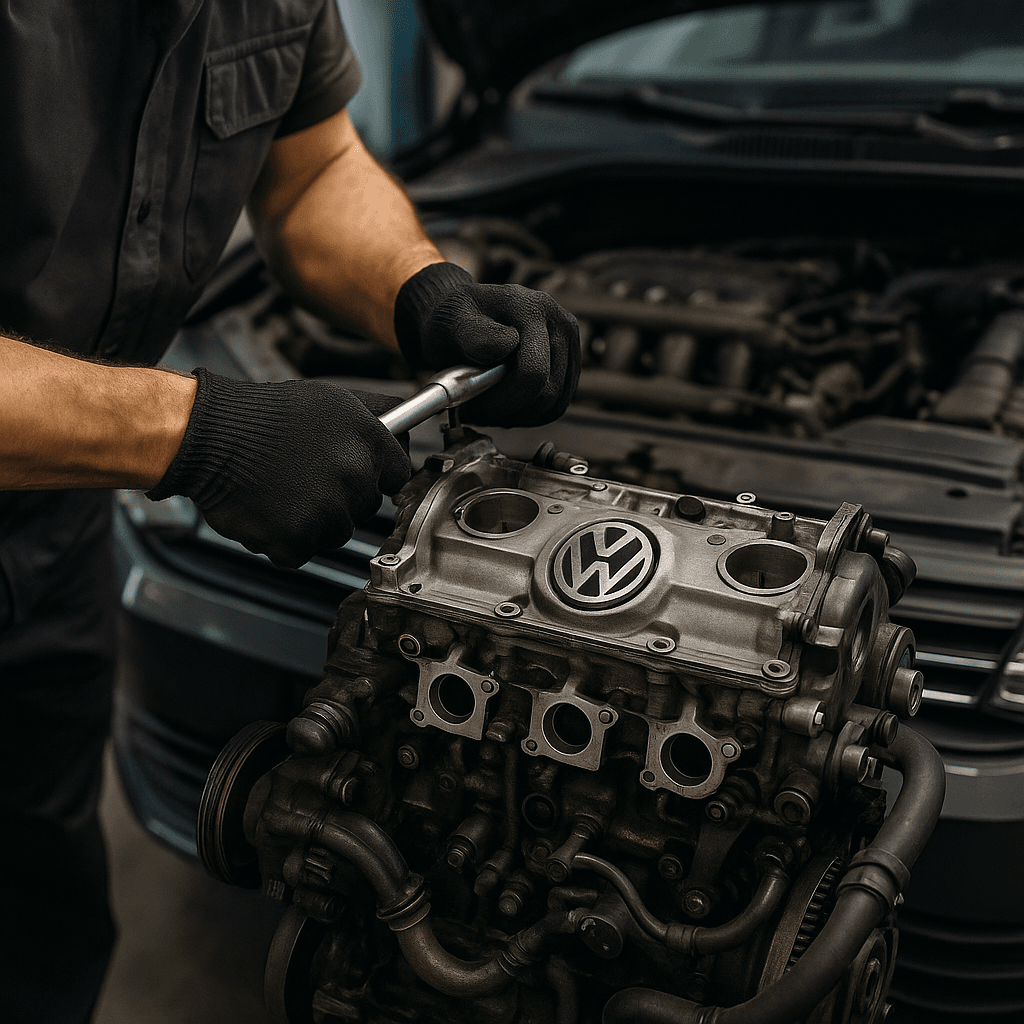
Volkswagen, a name synonymous with engineering excellence and precision, has long been a favorite among car enthusiasts and everyday drivers alike. Known for their reliability and performance, Volkswagen engines are intricate pieces of machinery that require careful attention and expertise when it comes to repair and overhaul. In this article, we delve into the complexities of Volkswagen engines, the importance of adhering to the manufacturer’s guidance, the key steps involved in engine repair and overhaul, and the necessity of ensuring compliance with Volkswagen’s stringent standards. For further detailed instructions, users can refer to Volkswagen Manuals.
Understanding Volkswagen Engine Complexities
Volkswagen engines are renowned for their advanced engineering and technology. These engines incorporate a variety of components that work in harmony to deliver the performance and efficiency Volkswagen is known for. From turbochargers and direct fuel injection systems to advanced electronics and software, understanding the intricacies of these components is crucial for any repair or overhaul process. Each component plays a vital role in the engine’s overall functionality, and any misstep during repair can lead to significant issues down the road.
The complexity of Volkswagen engines is further amplified by the diversity of engine models available. Whether it’s a TSI, TDI, or hybrid engine, each variant comes with its own set of specifications and requirements. This diversity necessitates a deep understanding of the specific engine type being worked on. Technicians must be well-versed in the unique characteristics of each model to ensure successful repairs and overhauls.
Moreover, Volkswagen engines are designed with precision in mind, often utilizing state-of-the-art technology and materials. This means that even minor deviations from the manufacturer’s specifications can lead to reduced performance or even engine failure. Therefore, a thorough understanding of the engine’s design and operational principles is essential for anyone attempting repairs.
Finally, Volkswagen engines are subject to stringent environmental regulations and standards. This adds another layer of complexity, as technicians must ensure that any repair or overhaul not only restores the engine’s performance but also maintains compliance with these regulations. This requires a comprehensive understanding of both the engine’s internal workings and the external requirements it must meet.
Importance of Manufacturer’s Guidance
When dealing with the repair and overhaul of Volkswagen engines, following the manufacturer’s guidance is of paramount importance. Volkswagen provides detailed manuals and documentation that outline the correct procedures, tools, and techniques needed for successful engine maintenance. These resources are invaluable for ensuring that repairs are conducted safely and effectively.
The manufacturer’s guidance is especially crucial because it provides the most accurate and up-to-date information regarding the engine’s specifications and requirements. As Volkswagen continuously innovates and updates its engine designs, staying informed through official documentation is the best way to ensure that repair techniques are current and effective. This guidance helps prevent the use of outdated methods that could potentially harm the engine.
Additionally, following the manufacturer’s guidance helps preserve the integrity of the engine. Volkswagen engines are designed to operate within specific parameters, and any deviation from these can lead to decreased performance or even damage. By adhering to the recommended practices, technicians can maintain the engine’s reliability and longevity.
Finally, utilizing the manufacturer’s guidance ensures that any repairs or overhauls align with Volkswagen’s warranty and service agreements. This is crucial for maintaining the vehicle’s warranty coverage and avoiding potential disputes. By following the official guidelines, technicians can confidently perform repairs that meet Volkswagen’s high standards and customer expectations.
Key Steps in Engine Repair and Overhaul
Repairing and overhauling a Volkswagen engine involves a series of detailed steps that must be executed with precision. The first step is a thorough diagnosis of the engine to identify any issues or areas that require attention. This involves using diagnostic tools and equipment to assess the engine’s performance and pinpoint any faults. Accurate diagnosis is critical for determining the appropriate repair strategy.
Once the diagnosis is complete, the engine is carefully disassembled to access the components that need repair or replacement. This step requires meticulous attention to detail, as each part must be removed and labeled correctly to ensure proper reassembly. Special tools and equipment, often specified by Volkswagen, are used to prevent damage to the engine components during disassembly.
The next step involves repairing or replacing the faulty components. This may include tasks such as machining engine parts, replacing worn-out gaskets or seals, and cleaning or replacing fuel injectors. Each repair task must be performed according to the manufacturer’s guidelines to ensure the engine operates as intended. Quality control checks are vital at this stage to verify that all repairs meet Volkswagen’s standards.
Finally, the engine is reassembled and tested to ensure it functions correctly. This involves carefully following the reassembly procedures outlined in the manufacturer’s documentation and performing rigorous testing to confirm that the engine operates smoothly. Any deviations from expected performance are addressed promptly to ensure the engine meets Volkswagen’s performance and safety standards.
Ensuring Compliance with VW Standards
Ensuring compliance with Volkswagen’s standards is a critical aspect of any engine repair or overhaul. Volkswagen has established stringent quality and safety standards that must be adhered to in order to maintain the vehicle’s performance and reliability. Compliance involves following the manufacturer’s guidelines and using approved parts and materials during the repair process.
One key aspect of compliance is the use of genuine Volkswagen parts. These parts are specifically designed and tested to work seamlessly with Volkswagen engines, ensuring optimal performance and longevity. Using non-genuine or aftermarket parts can compromise the engine’s functionality and may void the vehicle’s warranty. Therefore, using approved parts is essential for maintaining compliance with Volkswagen’s standards.
Another important element of compliance is adhering to the environmental and emissions regulations set forth by Volkswagen. The company is committed to sustainability and reducing the environmental impact of its vehicles. As such, any repairs or overhauls must ensure that the engine continues to meet emissions standards. This requires a thorough understanding of both the engine’s design and the applicable regulations.
Finally, compliance involves maintaining detailed records of all repairs and maintenance performed on the engine. This documentation is crucial for verifying that the work was conducted in accordance with Volkswagen’s standards and can be invaluable in the event of warranty claims or disputes. By keeping accurate records, technicians can demonstrate their adherence to the manufacturer’s guidelines and ensure the continued reliability of the engine.
In conclusion, repairing and overhauling Volkswagen engines is a complex and meticulous process that demands a deep understanding of the engine’s intricacies and a steadfast commitment to following the manufacturer’s guidance. By adhering to Volkswagen’s standards and utilizing the resources provided by the manufacturer, technicians can ensure that repairs are performed safely, effectively, and in compliance with all applicable regulations. For those seeking further guidance, the Volkswagen Manuals offer a wealth of information to assist in maintaining the performance and reliability of these remarkable engines.